Art Museums and Galleries in the UK
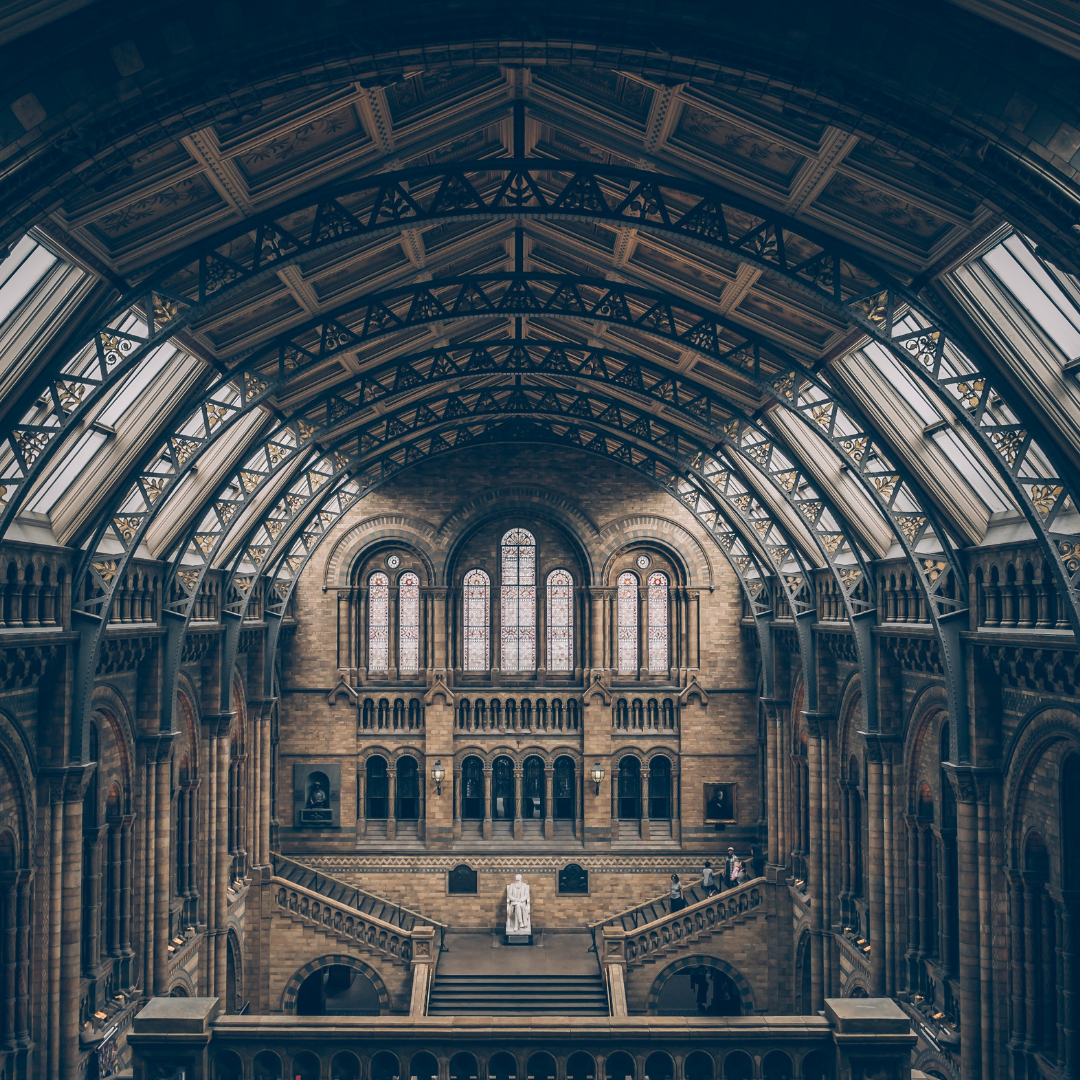
The UK has an extensive art scene with hundreds of galleries across Britain and Northern Ireland. From medieval and renaissance art to modern pieces, there are displays for everyone.
Those who chose to study in Scotland will love the Kelvingrove Art Gallery in Glasgow which features 22 themed, state-of-the-art galleries displaying an astonishing 8000 objects. If you are studying in central England then you will need to visit the Birmingham Museum and Art Gallery which includes a collection of international importance from fine art, ceramics and metalwork to local history, natural history and archaeology.
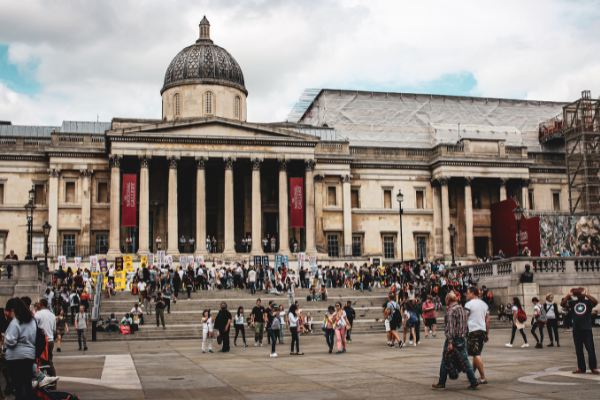
The most visited art gallery in the UK is the National Gallery (above) art museum in Trafalgar Square in London. It was founded in the early 19th century and features thousands of art pieces that bring in over six million visitors every year. The gallery is ranked eighth on the list of most-visited art museums in the world and houses a collection of over 2,300 paintings dating from the mid-13th century to 1900.
History Museums in the UK
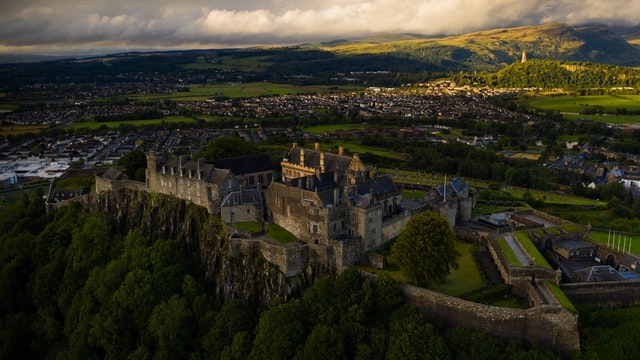
The UK has a long, rich history and that is reflected in the number and diversity of its historical museums and sites. From modern social history to Britain’s ancient past, thousands of years of the UK’s history are represented through its museums. Museums are created in old dockyards, mining pits, air hangers, battleships and castles and attract millions of visitors to learn more about their history.
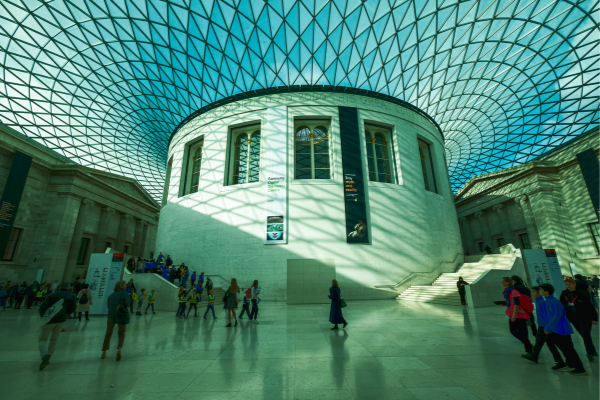
The UK’s most well-known museum is the British Museum (displayed above) in London, housing the largest collection of historical artifacts and objects in the world, estimated to be in excess of 8 million. The objects on display vary from modern to ancient and cover historical periods from across the globe. The Egyptian exhibition is a particularly popular section of the museum with mummies, artifacts and the separately the Rosetta Stone on display.
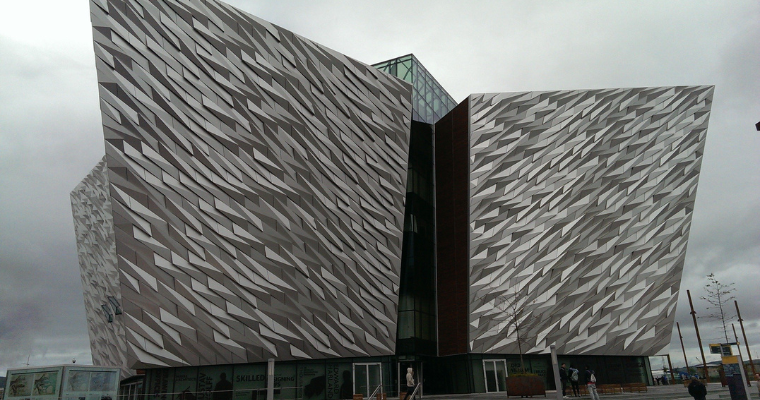
Pre-pandemic the Titanic Museum in Belfast would see nearly a million visitors each year to learn about the creation of the great ship and the early 20th-century disaster. The museum (above) was built around a decade ago on the site of the dockyard that originally built the RMS Titanic. Visitors can see how the ship was made, how it was launched and what happened to it before and after its sinking.
For those interested in Britain’s industrial past the Big Pit National Coal Museum in Wales allows visitors the chance to see what conditions were like for miners in the 19th and 20th centuries. Visitors can see both the above-ground machinations of the mine and also go down to the bottom of the pit and see the mining works.
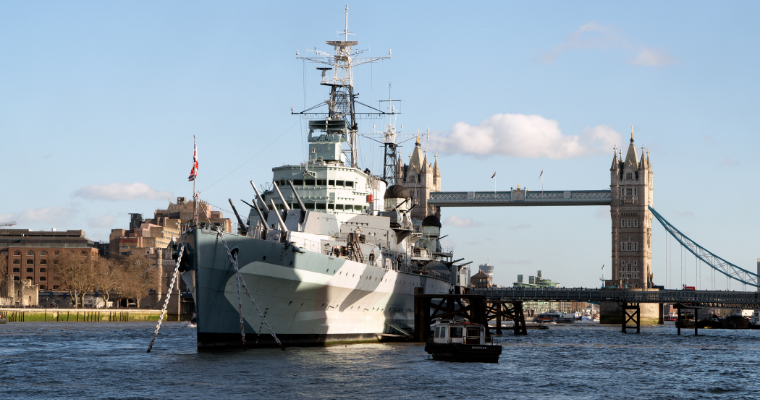
Military history is more than well served by the British museum scene with dozens of museums dedicated to the World Wars and a variety of other military conflicts. For a truly unique experience, we would recommend the HMS Belfast, a battleship that was turned into a museum, moored on the banks of the River Thames in London. The World War II cruiser served several battles before it was decommissioned and turned into a museum with nine of its decks open to visitors to view including the inner workings of the ship and crew’s quarters.